

Before COVID, one of the biggest employment issues for single mothers was their need for flexible work conditions, including:
- Part-time work with promotional opportunities
- Permanent part-time roles within school hours or the ability to job-share
- The ability to work from home if need be, and
- Additional sick leave to cover care for sick children.
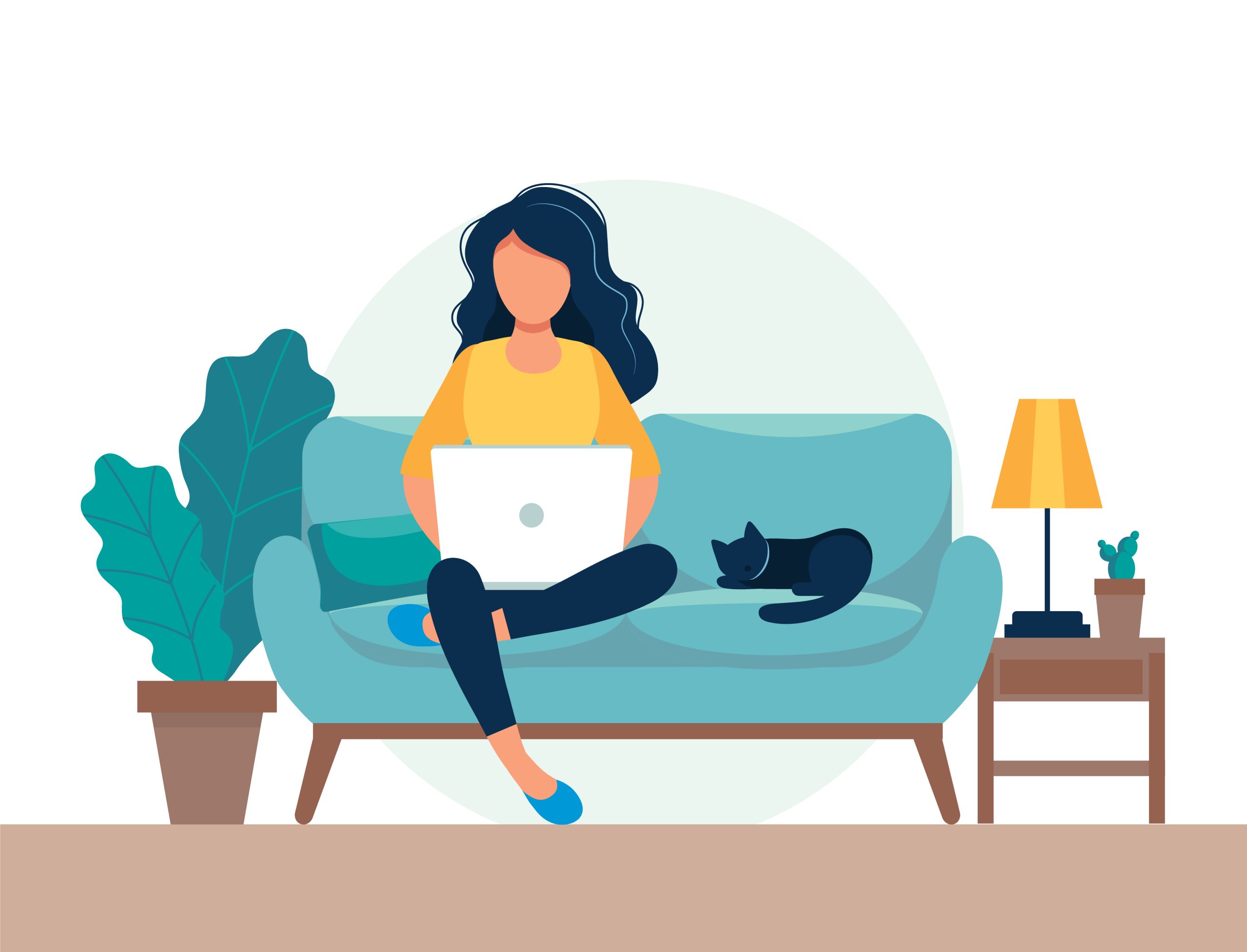
Along came COVID-19 and with it, the widespread acceptance of working from home. This now dominates most discussions about flexibility with other variations single mothers want, still less accepted than we would like.
Working from home (WFH)
Requirements under public health legislation in several States and Territories saw Australia’s first mass work from home program. It was not comprehensive, as many people were required to keep attending their employment outside the home to service the economy and health systems, or provide support to people who were locked down at home.
Single mothers were hit hard by remote work requirements. Rather than the occasional opportunity to work from home, they found themselves juggling home-schooling, work, and study without any of their usual supports from school, grandparents, friends and at times even formal childcare. While many workers were adversely affected, research shows this time took a particular toll on single mothers. Many single mothers told us they felt residual exhaustion for a long time afterwards.
As children returned to school and childcare many workers, including single mothers, began to consider working from home a benefit.
In 2024, some workplaces are demanding a full return to the office, although most are aware that their employees do not wish to give up on the flexibility, decreased travel, and productivity they acquired through COVID. There is the possibility that employees that are able to choose to continue to work from home may be disadvantaged by reduced visibility and in-person casual conversations.
By comparison, some employers, particularly in rural areas, are creating flexible roles, such as within school hours, to attract employees.
If you are job searching, expect that employers may be open to negotiating arrangements, including working from home. The job site SEEK has a Work from Home category in the search bar. Browse the following articles for some ideas of flexible jobs that may suit single mothers:
- Jobs that fit into school hours for single mums
- Work from home mum jobs
- Jobs for single mums
- Meat processor Don Smallgoods tweaks rosters to help more women back to work
Attitudinal shifts to work wellbeing and productivity
The pandemic led to many of us reflecting on our priorities, our social networks, our families and mental health, our personal happiness, and what sort of work we find satisfying, compatible and manageable.
Recognising this, a national jobs and skills summit took place in September 2022 to address ongoing issues such as the gender pay gap, gender stereotyping and the need for wage increases for those in the caring professions, given nurses, teachers, aged care and childcare workers were the heroes of COVID.
Legislated changes post-COVID include:
- 2023: 10 Days Paid Family Violence leave is now available for all Australian workers (casual, part and full time)
- 2022: Since 1 July 2022, employers have to pay superannuation for all workers including those earning less than $450 a month.
- 2023-2025: Free kindergarten for three- and four-year-old children introduced in Victoria.
- 2023: Termination of the Federal Government compulsory ParentsNext program. This has been replaced by the Parents Pathways program, a free and voluntary service for eligible parents and carers of children up to the age of 6 years.
- 2023: Eligibility for the Parenting Payment Single (PPS) raised until the youngest child is fourteen years, up from eight years. This is a victory for single mother activists including CSMC and our members. Read more in The Age or at Services Australia.
- 2024: We asked the government to ‘finish the job’ and expand PPS eligibility until the youngest child is 16 in the May budget (sadly not successfully).
Legal rights to flexible work
If your employment contract contains workplace flexibility provisions, you may have rights to work from home or to make a request to do so. In addition, the National Employment Standards under the Fair Work Act now give employees the right to request flexible work arrangements if they’ve been with the employer for at least 12 months and:
- are a parent or carer of a child of school age or younger
- a carer
- have a disability
- are at least 55 years of age
- are pregnant
- are experiencing family or domestic violence or caring or supporting an immediate family or household member experiencing family or domestic violence.
Casual employees have similar rights if they have been working regularly and systematically for at least 12 months and have a reasonable expectation of continued work on the same basis. If you’re an employee wanting to request flexible working arrangements, such as working from home, or an employer wondering how to handle such requests, you can read more at the Fair Work Ombudsman’s website.
CSMC recognises that working from home is not suitable for all employees, but if you have that option, and it would benefit you to WFH, we encourage you to explore it.


0 Comments