


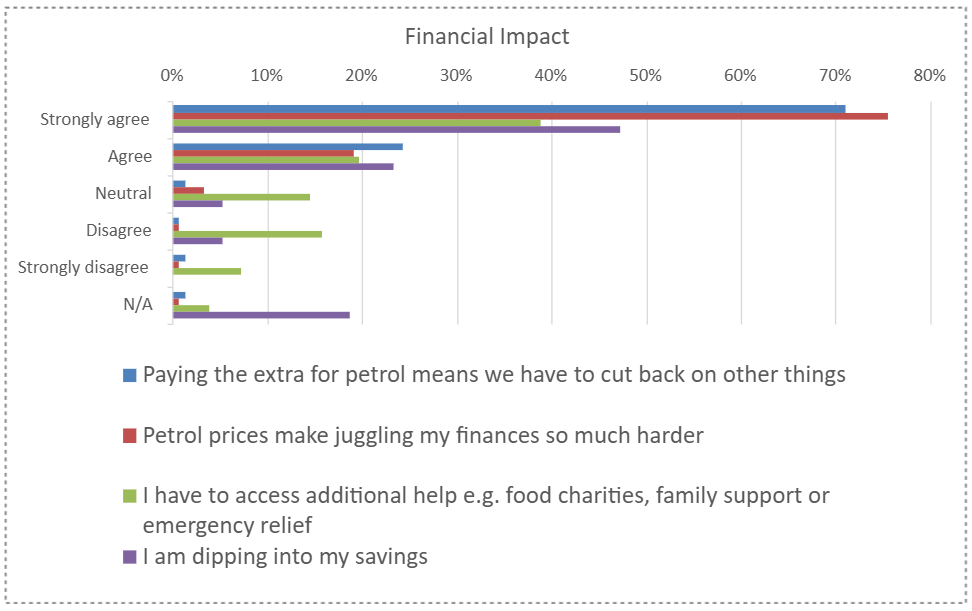
CSMC knows that on any given day, single mothers are stretching budgets, finding solutions, and making impossible choices work. However, the results of our study into the impact of high petrol prices make one thing clear: the current fuel crisis and rising cost of living are putting many single mothers in extreme stress.
Recently, CSMC asked single mothers how rising fuel costs are affecting their lives, how they are managing transport, and what governments could do to help. As always, the responses were thoughtful, practical, and deeply honest, and we want to send a heartfelt thanks to everyone who took the time to share their experiences.
What emerged was a picture of resilient women doing everything they can for their children: skipping essentials, changing routines, and carrying enormous emotional pressure while trying to maintain the wellbeing of their families.
They also shared a clear message for governments: families cannot keep absorbing crisis after crisis without meaningful support.
“We are drowning”
The survey revealed the extraordinary stress many single mother families are currently experiencing.
Nearly 88 per cent of respondents said they are worrying more and sleeping less because of rising costs, while a staggering 97 per cent said they are increasingly concerned about their financial security.
Behind those figures are mothers trying to make impossible calculations every day: whether to fill the petrol tank, buy groceries, pay bills, or get children to appointments and activities.
One mother shared:
“My financial situation is not okay, and I am the sole provider for my family.”
Another said:
“My son was selected to represent the State in sport. We had to drive three hours with me watching the fuel gauge and worrying if we would run out. It’s upsetting to think I might not be able to afford to take him to future events.”
Cars are not a luxury
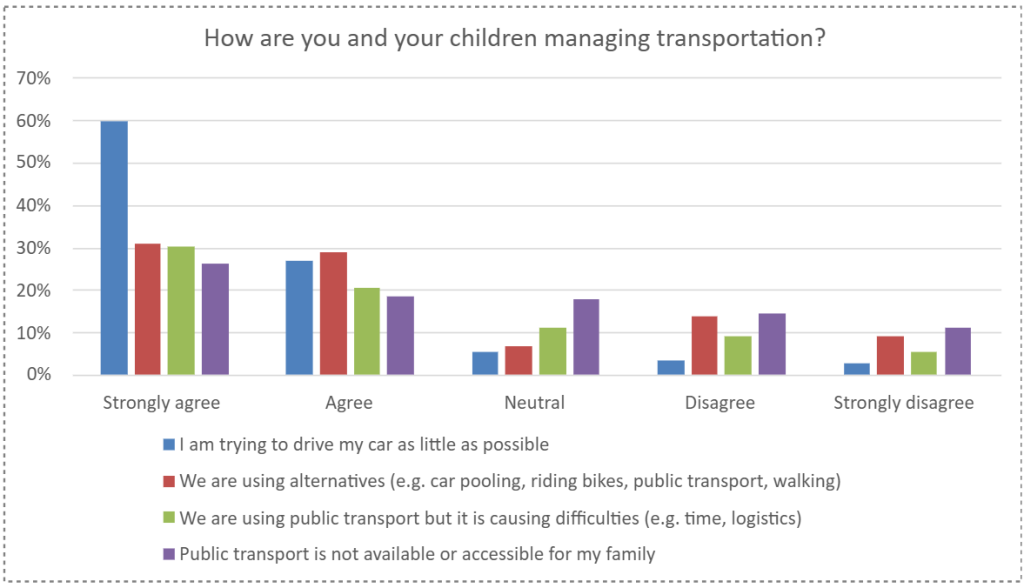
Many respondents said they are driving less, combining trips, carpooling, or turning to public transport wherever possible.
But for many single mothers, especially those caring for children with disabilities or living in areas with limited transport infrastructure, public transport is not a realistic alternative.
One mum explained:
“We’d be happy to take public transport. But driving to school, daycare and work is already a zig-zag trip and 45 minutes in the car. Public transport is simply not possible for us.”
Others spoke about the emotional and physical toll public transport can create.
“I get very anxious on public transport as I have a small child and one with a disability. Too hard.”
Safety is another major concern, with more than half of respondents saying they worry about their families safety while using public transport.
For regional and outer suburban families, the problem is often even more basic: services simply do not exist.
“Not much transport where we live so not a real option.”
The ripple effect of rising fuel costs
The survey made clear that fuel prices do not exist in isolation. Rising petrol costs affect every part of family life. When transport becomes more expensive, so do groceries, medical appointments, school participation, and opportunities for children.
One mother wrote:
“Child support would help if it got paid on time. I could use it to take my daughter to her medical appointments.”
Others pointed to the broader structural issues making life harder for single mother families, including inadequate income support, unaffordable housing, and insecure work.
“Single mother families are hit hard by crises like COVID and the cost of living because our capacity to earn is halved. We pay the same costs for fuel, utilities and food, but on one income.”
Despite this, many respondents also described the ways they are adapting and supporting their children through difficult times, like growing vegetables, riding bikes together, budgeting carefully, and teaching resilience.
“I do all I can to be self-sufficient and teach my kids to be too.”
What single mothers want governments to understand
The overwhelming message from respondents was not one of defeat, but of frustration at being overlooked.
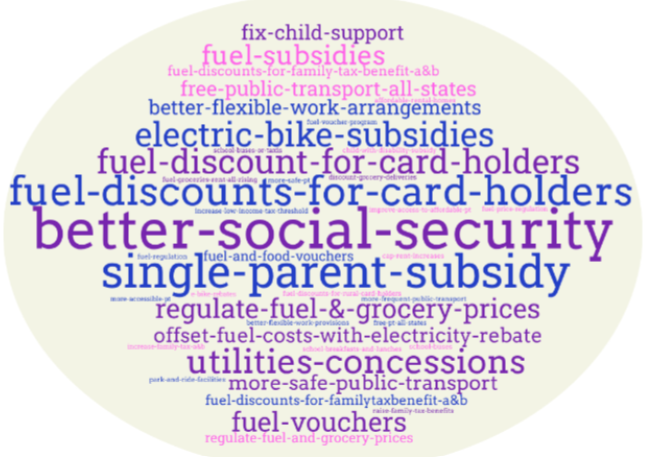
Single mothers want governments to recognise that crises disproportionately affect single parent families, particularly when systems like child support, housing, social security and transport are already failing to meet people’s needs.
They called for:
- stronger and more reliable child support systems
- increased income support payments
- affordable housing
- targeted fuel and transport relief
- safer and more accessible public transport
- policies that recognise the realities of parenting alone.
Many of the 181 respondents spoke passionately about the need to protect children from the long-term effects of poverty and exclusion. They want every child to be able to attend school excursions, play sport, access healthcare, and participate fully in community life.
As one mother put it:
“We do our best every day, but we need policies that recognise our reality and support us to keep going.”
Another simply said:
“Help us.”
These voices are impossible to ignore. Single mothers are already doing the hard work of holding families together through rising costs and growing pressures. What they are asking for now is partnership, recognition, and practical support that matches the reality of their lives.
CSMC will use the results of the survey in our advocacy across all levels of government and continue to support single mothers in crisis via our Support Line. If you are struggling, please get in touch.
*The quotes in this article are indicative of the main themes and have been de-identify for the safety of respondents.


0 Comments