
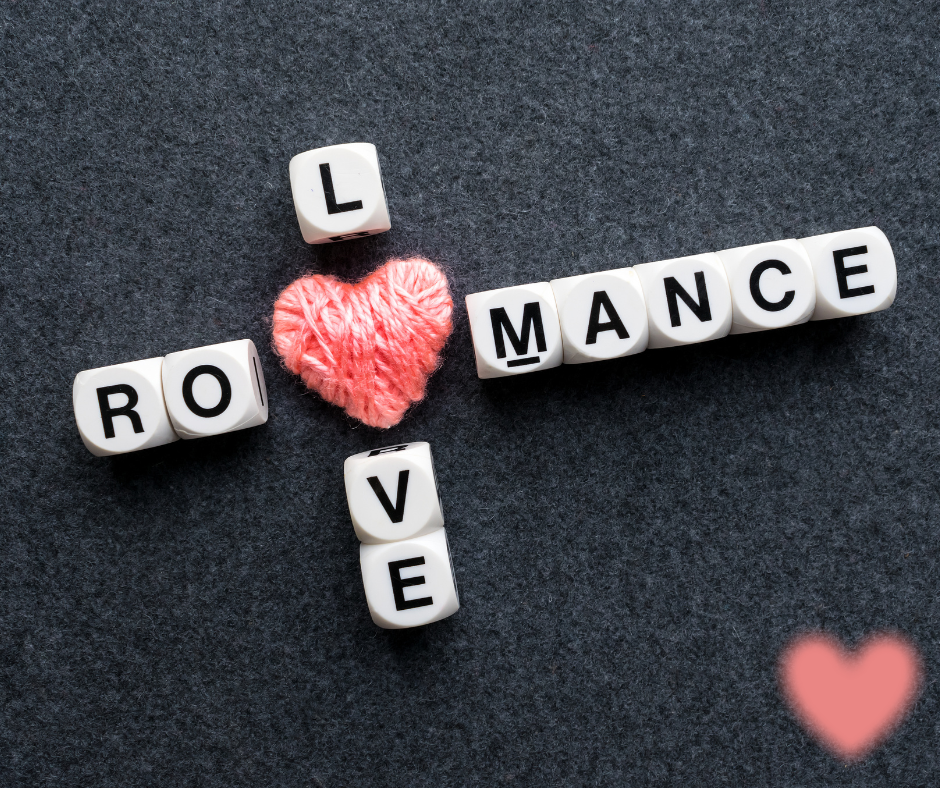

Some of us are looking for love; others are happily single but wouldn’t mind an occasional romantic interlude or finding new friendships; and some are just curious. Wherever your interest lies, it’s good to be aware of a growing threat targeting women (and men) raising children on their own. These are scams that use friendship, dating and romance to win your trust and get your money or get you involved in things you may later regret.
Relationship scams are among the most financially damaging, and in 2025 saw Australians lose around $28.6 million.
ScamWatch, an Australian Government initiative, is warning that relationship scammers ramp up their efforts around Valentine’s Day. These people aren’t targeting single parents because we’re gullible or naive, they do it because they know we’re time poor and have a lot going on and hope they can do their worst unnoticed. Not on our watch. Here’s what to look out for, how to protect yourself, and what to do if you smell a rat.
Where these scammers are
Relationship scams usually start on social media, dating platforms, or gaming apps and websites. Scammers set up fake profiles, sometimes using stolen photos or posing as well-known figures, and actively seek out people wanting connection. They may message or call frequently, showering you with attention to create an intense emotional bond.
Once you’re emotionally invested, the requests begin. They may claim they’re facing a crisis and urgently need financial help. They might ask you to move money on their behalf, open accounts, or follow their guidance to invest.
How to spot a relationship scam
No one is immune to scams and many people have been conned. Here are some red flags to watch out for.
- The relationship escalates quickly, with strong feelings declared early on and constant messages or calls designed to make you feel uniquely valued.
- They push to move conversations off apps or social media onto private messaging apps like WhatsApp.
- They describe an emergency and pressure you to send money, open accounts, or transfer funds they provide, or they urge you to invest in a scheme.
- They insist the relationship stay private and may discourage sharing with friends or family.
- There’s always an excuse for why they can’t meet in person or video chat: they’re overseas, working remotely, or having technical issues.
- Details on their profile don’t align with what they tell you directly.
- They ask for personal photos, videos or sensitive information that could later be used to threaten or blackmail you.
- They react with anger, guilt-tripping or threats if you question them or refuse to comply, sometimes claiming they’ll end the relationship.
How to protect yourself
Some simple steps can help keep you safe:
- If someone you only know online asks for money, assume it’s a scam.
- Do not share bank details, card information, identity documents or personal data with online-only contacts — regardless of how long you’ve been chatting.
- Never move or transfer money for someone else. This could unknowingly involve you in criminal activity such as money laundering.
- Take your time getting to know new online connections. Ask questions and be alert to inconsistencies or stories that don’t quite fit.
- Search their name online along with the word “scam” and look through reputable resources about romance fraud.
- If you have their photo, use a reverse image search to see if it appears elsewhere under different names or identities. (Some reverse image pages cost, but you can do it for free with google lens for example.)
- Never send intimate or explicit images or videos to someone you don’t truly know. These can be used for extortion or blackmail.
- Avoid keeping online relationships secret. Talking to trusted friends or family can help identify concerns you may have missed.
- Think carefully before sharing details about your work, family, daily routines or hobbies. Scammers can exploit this information for fraud or identity theft.
- Take time to understand safety and privacy tools on the social platforms you use, and know what steps to take if your personal information is being misused.
Think you’ve been scammed?
Last year, there were over 3,500 reports of romance scams in Australia, but the figure is thought to be much, much higher, with some people feeling too embarrassed or ashamed to report it. So if you think you have been scammed, the first thing is to dismiss any shame you may be experiencing. Remember, very savvy people get scammed; people you would never expect have been scammed. Scammers are often skilled, experienced, and know a lot of tricks. Being a victim of a scam says nothing about you, and everything about how sophisticated these scams have become.
If you think you’ve been scammed, here’s what to do:
- Act fast to stop any further losses: Contact your bank or card provider immediately to report the scam. Ask them to stop any transactions. Change passwords on all your devices and online accounts like banking, email, government and shopping.
- Get help to recover: IDCARE is Australia and New Zealand’s national identity and cyber support service. They can help you make a plan (for free) to limit the damage. Call them on 1800 595 160 or visit their website to find out more.
- Report the scam: Once you have secured your details, you can help stop the scam and warn others by reporting the scam to ScamWatch.
.


0 Comments