
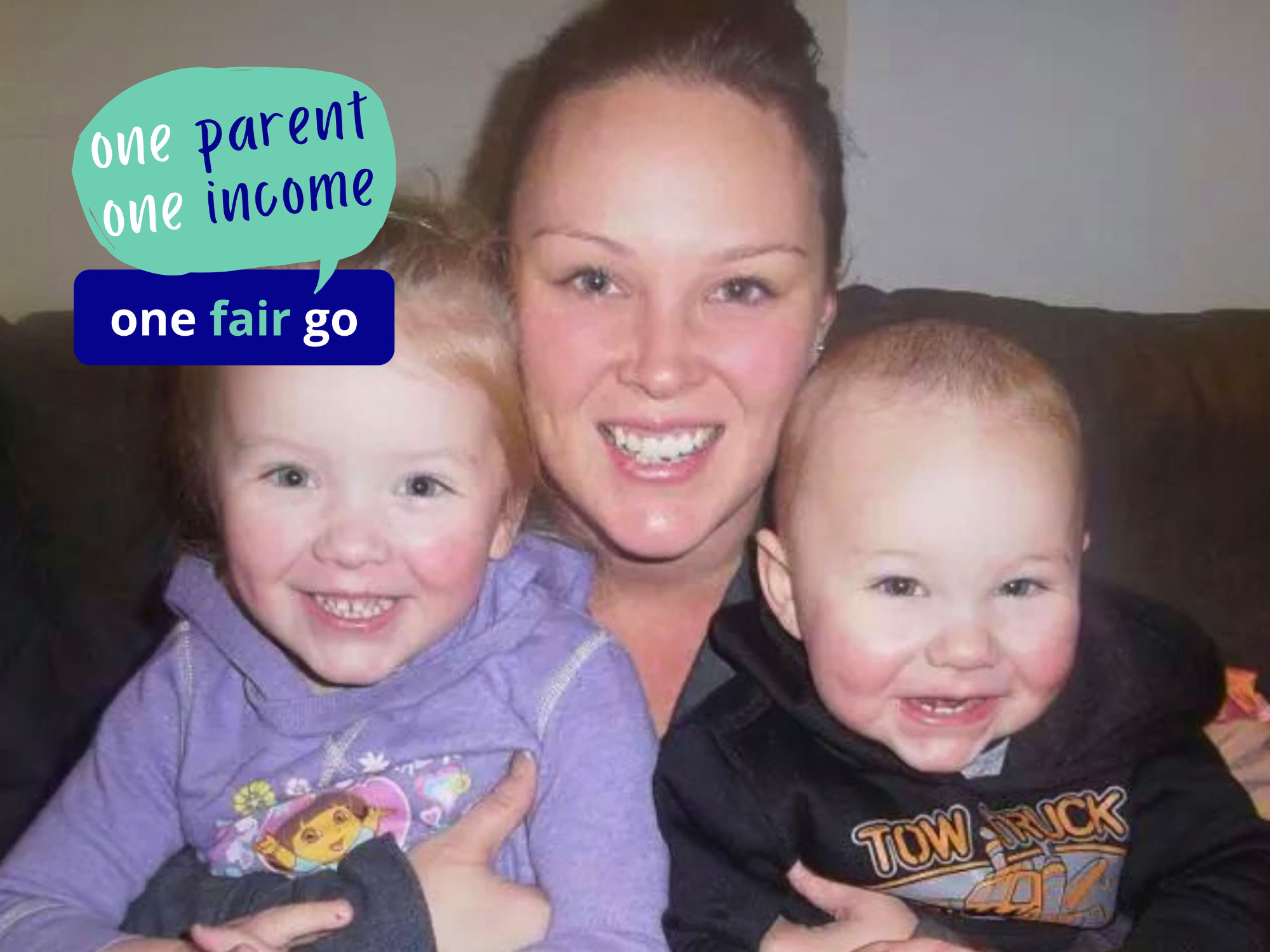

For years, the thing I wanted most was simple: I wanted my children home.
After my children were removed from my care in 2018, I became homeless. For more than four years I slept in my car, in a tent through Melbourne winters, on couches and wherever I could find somewhere safe enough to get through another night. Through all of it, I was still a mother. I was still missing my children and trying to rebuild a life they could come home to. But I kept hitting the same impossible barrier: I couldn’t get a house because I didn’t have my kids, and I couldn’t have my kids because I didn’t have a home.
In 2022, I was offered a one-bedroom community housing apartment. After years of homelessness, being able to close my own front door and know I had somewhere to wake up meant everything. But it still wasn’t a home my family could return to. So, I kept fighting, advocating and rebuilding.
Then, in April 2026, after eight years of wishing for it, my children came home. My 15-year-old son and 17-year-old daughter came home to live with me. I could make dinner for them, say goodnight and worry about teenage things again, instead of wondering whether we would ever be a family under one roof.
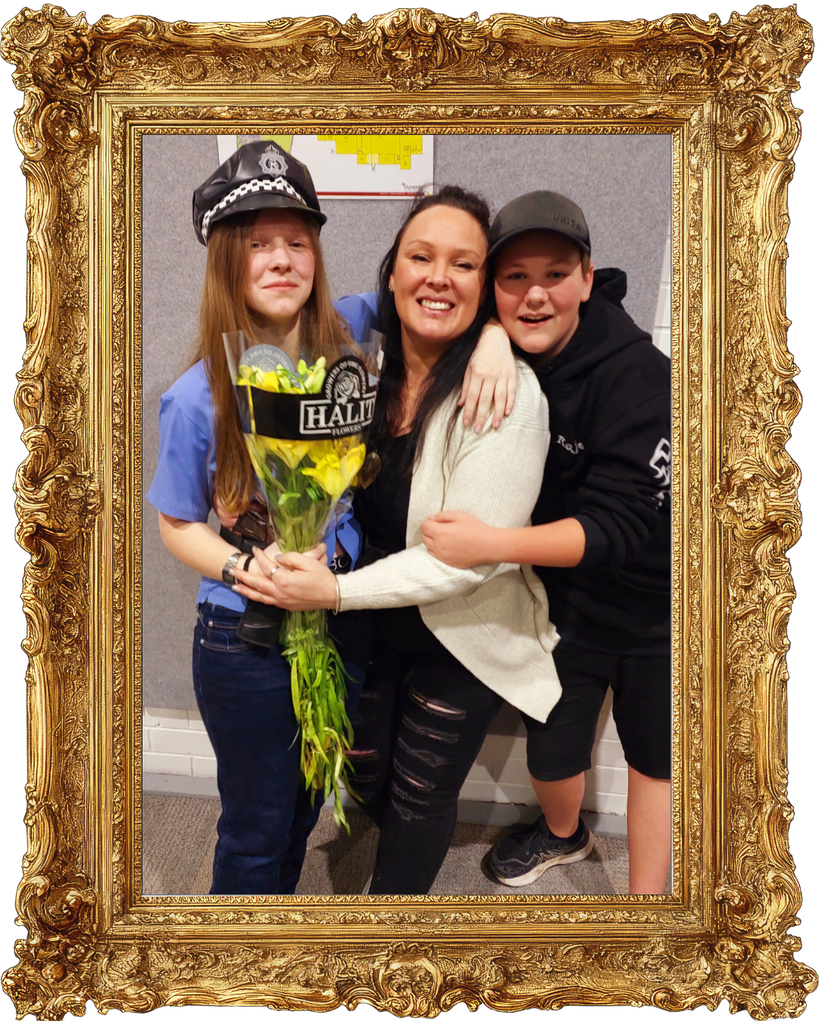
But there was no family home waiting for us. There was still my one-bedroom apartment.
Today, the three of us are trying to rebuild our family inside a home designed for one person. My teenagers do not have somewhere to close a door, study, decompress, have a friend over or simply be alone. After everything it took to bring us back together, not being able to give them something as basic as a bedroom hurts. That is not a luxury.
I applied for a transfer before they returned and in June, I was approved for a priority transfer to a three-bedroom home. That may not sound like a long wait, but our situation exposes a gap in the system. I have been told three-bedroom homes are scarce and we may have to wait until another family vacates one. I have also been told they cannot place us in a two-bedroom home, even temporarily, because it would not meet the allocation requirements for our family. Yet somehow, we can remain in a one-bedroom apartment.
A two-bedroom home would not be perfect, but it would give us another room, some privacy and breathing space while we wait. Instead, because a two-bedroom is apparently not suitable enough, we are left in something even less suitable. We have fallen into the gap between what the system says we need and what the system has available.
Every month that passes is another month of telling my children, “I know this isn’t good enough. I’m trying.” They see the calls, the emails, the forms, the money being stretched and me trying to fix things I do not have the power to fix. There is only so much you can shield your children from when all three of you are living in one bedroom.
Housing and the cost of living are not abstract political issues in our home. They are groceries after the bills are paid, school costs, transport, phones and everything that comes with raising teenagers. As a single mother, there is no second income to absorb the shock and no other adult to split the bills with. When one system fails, the consequences come straight through our front door.
I have worked incredibly hard to rebuild my life. I survived family, sexual and domestic violence. I survived the streets. I got sober. I fought systems that seemed designed to wear me down. I rebuilt my stability and I brought my children home. I am proud of what we have survived, but families should not have to demonstrate extraordinary resilience just to access ordinary things: a safe home, enough food, a bedroom for your child and the ability to plan beyond the next bill.
Housing changed my life, but housing is not the finish line. It is the starting line. Recovery needs a home base: somewhere children can feel safe, somewhere a mother can rebuild, somewhere a family can imagine a future instead of surviving the present. You cannot expect a plant to grow if it has no soil.
I do not want sympathy. I want change.
My story isn’t unusual. Across Victoria, single mothers are trying to raise children while navigating unaffordable housing, rising living costs and support systems that don’t reflect the reality of parenting alone.
Today, my children are finally home. But we’re still waiting for a home big enough for all of us. As Victorians prepare to vote, families like mine are still waiting for politicians to take these realities seriously.
Rachael’s experience is one of many stories highlighting the challenges facing single mother families. This Victorian election, we’re calling on political leaders to take action. Add your name to our Open Letter and help ensure single mothers are seen, heard and prioritised this election.

0 Comments